Teshuvah Week 1 – Making a Sin List

Scroll


Teshuvah Week 1 – Making a Sin List

During the first week of Teshuvah, you want to make a sin list. Before we can start asking God for things during the season of an Open Windows of Heaven, we want to get right with the Lord.

In Hosea 14:2, the Bible reads, “Take with you words, and turn to the LORD: say unto him, Take away all iniquity, and receive us graciously: so will we render the calves of our lips.” (KJV)  The Bible talks about taking words with us to the Lord when we return to Him. The Lord knows where we fall short. Are we humble enough to write our sins down?

The word of God mentions that records of our deeds are kept in heaven (Revelation 20:12, Hosea 13:12, Nehemiah 13:14, Psalm 109:14). In Colossians 2:13-15, Paul wrote, “And you, being dead in your sins and the uncircumcision of your flesh, hath he quickened together with him, having forgiven you all trespasses; 14 Blotting out the handwriting of ordinances that was against us, which was contrary to us, and took it out of the way, nailing it to his cross; 15 And having spoiled principalities and powers, he made a shew of them openly, triumphing over them in it” (KJV).

In this verse, the phrase “handwriting of ordinances” is the Greek phrase choriegraphon dogma. Choreigraphon means bill of indebtedness written in the debtor’s handwriting. Dogma means a man-made decree. This phrase refers to our sin debt. The phrase “blotting out” means to erase something that is written. Christ erased our sin debt by nailing it to the cross. Revelation 12:10 explains that Satan is the accuser of the brethren. He accuses us because we have outstanding sin that we have not repented of! When we repent, our sins are blotted out of the books in Heaven. This puts the forces of the enemy, the powers and principalities of this world, to an open shame! By writing our sins on a sheet of paper and burning them, we are showing God our desire to have our sins wiped out and never remembered!

Some people will call this strange. Aside from the verse in Hosea that commands us to use words when we return to the Lord, there are plenty of examples in the Bible to reinforce this concept. In Joshua 7, Achan and his entire household was stoned and then burned because of the trouble he caused. Sodom and Gomorrah were burned due to their sin. In Acts 19:11-20, some converted Christians got their magic scrolls together and burned them publicly. In the book of Leviticus, the burnt offering had to be brought before the priest. Your sins had to be confessed over the animal, which was subsequently killed and burned. There is a Biblical precedent for burning sinful things with fire. This is not something weird or new age. It is different than what you have heard before, but it is the Word of God put into action.

The sin list is simple: spend time alone with God and write the sins you have committed on a piece of paper. If this is your first time making a sin list, go back as far as you can remember. If you have done this before, you only have to go back as far as your last sin list. God is glad for us to pray prayers like this because He wants us to be right with Him. Sometimes Christians struggle to hear God’s voice, but if you ask Him this question, He will gladly answer!

There are three main Hebrew words for sin in the Old Testament: chattah, pesha, and avone. Chattah is a word which means to miss the mark. It expresses the desire of someone to do what is right, but they simply fall short. Pesha means rebellion and it refers to someone who knew what was right and went the wrong direction anyways. Avone is a Hebrew word meaning perversity. It refers to perverting a situation to justify your own sin. It can also convey the intent of a person who knew what was right and chose to go the other way because they did not want to do right.

When we repent, we want to be specific. We want to repent not just for the action, but for the motivation behind the action.

In Psalms 32:5, David wrote: “I acknowledged my sin (chattah) unto thee, and mine iniquity (avone) have I not hid. I said, I will confess my transgressions (pesha) unto the LORD; and thou forgavest the iniquity (avone) of my sin. Selah.” In this passage, David is reflecting on His sin with Bathsheeba. He asks God to forgive His chattah, pesha, and avone. He admits that he missed the mark, had rebellion in his heart against God’s commandments, and that he had perverted the situation to justify his sin.

Praise God, we have a promise in Exodus 34:7 that God will forgive us of these things when we repent! In the verse God said that He is “…maintaining love to thousands, and forgiving wickedness (avone), rebellion (pasha), and sin (chattah). Yet he does not leave the guilty unpunished; he punishes the children and their children for the sin of the parents to the third and fourth generation.”

If we will simply confess our sin, we will receive forgiveness from Heaven, and the times of refreshing will come from Heaven (Acts 3:19). The times of refreshing come during the Feast days! After making your bricks without straw and facing your sin, you will need refreshing. The key is to be as introspective as possible. Look deep within your thoughts, intents, and motivations. Examine yourself outwardly as well. Do you portray the New Christ-like creature you were designed to be? Did you love the Lord your God with all your heart, all your mind, and all your strength? We know that the answer will likely be that we have not. Write these things down.

The level of your repentance is the level of the outpouring you are to receive during the Fall Feasts. Christ expressed His passion for us by taking the cross with its shame, pain, and disgrace. We show passion for Him by getting the sin out of our lives. In the Bible, there were always great God encounters when corporate repentance took place. In Hezekiah’s time, the people came together and repented of their sins. They celebrated the best Passover since the days of Solomon, which was 200 years before! In a like manner, Josiah rallied the people to corporate repentance. They had an even greater God encounter on Passover, which had not been experienced since the days of Samuel! Samuel lived about 80-100 years before Solomon’s reign began.

You want to burn the sin list the Sabbath before the Feast of Atonement.

You do this before Atonement so that you are as clean as possible going into this Feast Day. It is the Holiest Day of the Year.

I have practiced this discipline for years. I know many people have had life-changing experiences through this process. After putting sin lists in the fire, many people have seen the color red when they close their eyes. This is a vivid reminder of the blood of Jesus covering our sins and washing them away.
Posted in Uncategorized | 1 Comment

4 Week Program for Teshuvah

Open Bible

4 Week program for Teshuvah

The Fall Holy Days all occur in the seventh month on the Hebrew Calendar, which is called Tishri. To understand the Fall Holy Days, it is important to understand the time period that comes just before it. The sixth month on the Hebrew Calendar is called Elul. The Jewish people call this time Teshuvah. Teshuvah literally means to return back to where you came from. It is a month-long period before the Fall Holy Days when a person is supposed to repent and turn back to God. It is a preparation period for the Fall Feasts.

Teshuvah starts August 16th at sunset!!!

The book of Haggai gives us a pattern of how to return to the Lord during these thirty days. The name Haggai comes from the Hebrew word chag, which means festival. It is a word used of the three main festival times of the year: Passover, Pentecost, and the Fall Feast Days. This book gives us preparation steps for the Fall Feasts. In Haggai 1:1-11, the Lord speaks to the Israelites on the first day of the sixth month. In these verses, He commanded the people to give careful thought to their ways. The Israelites had neglected the work on the house of the Lord and were occupied with their own projects. God even explains that they planted much, but harvested little. Their harvest was reduced because they did not give the proper attention to God’s house. He tells them that He sent a drought on their crops and reduced the effectiveness of their labor so that they were not blessed. What is He asking them to do in these verses? He is asking them to return to Him! As believers, we have been made a new creature in Christ and become members of God’s Heavenly Temple. The problem is that we have gone astray since being made new. We have to go back to the new, Christ-like creature we are supposed to be!

In the land of Israel, they used to blow the shofar during the sixth month to remind the people to “wake up” and return to God. Throughout the year, we have been giving attention to our own personal affairs. We have not been tending to the house of the Lord as we should. The house of the Lord is not just the physical house; it is also the spiritual house of believers. By not serving in our spiritual gifts and obeying the Word in our personal lives as we should, the body of Christ has suffered neglect! We must tend our walk with God and build up the Body of Believers! We have lack in our lives because we have neglected these two things.

It is said in Jewish thought that on the Feast of Trumpets God judges your upcoming year. Remember, the Jewish people have two calendars: one is ceremonial and the other is civil. The ceremonial calendar begins on the first day of their first month, called Nissan. This is the month in which Passover and Unleavened Bread are celebrated. The Civil Calendar begins on the first day of the seventh month (which is the Feast of Trumpets). On the Feast of Trumpets, every human alive has their name written in the book of life or the book of death. These books go by different names by different people (some call them the book of the righteous and the book of the wicked), but they mean the same thing. God is deciding whether you live or die and to what extent you will prosper for the upcoming year.

If a person does not properly repent during the days of Teshuvah, then they have ten days of grace to make things right with God. These ten days, beginning with Trumpets and going through the Feast of Atonement, are known as the Days of Awe. During this time period, a person has the opportunity to have their name changed from the book of death and put into the book of the life. Because each of us wants to have our name written in the book of life on Trumpets, we follow steps to get especially close to God during this time of the year.

It is extremely important how we return to God during these days. It is important to actively pursue the Lord’s words through the prophet Haggai to “Consider your ways” during the month of Elul. For this reason, we teach a four week program to help you seriously consider your ways. During the first week, we repent by writing our sins on a piece of paper (called a sin list). We spend time examining our actions and going through our heart to dig out the sins buried deep within our intent, mind, will, and emotions. This is not just surface repentance; it is true heart-felt introspection of your life. We burn these lists on the weekly Sabbath before Atonement so that we can go into Atonement clean before God. During the second week of Teshuvah, we pray for our lost family members. Once we have gotten ourselves right with God, we can pray for others! Everyone has family members that are not believers or not as close to God as they should be. We want them to repent so that their names can be written in the book of life. We want them to come into the fullness of Spirit and Truth so that they can be spiritually and physically prosperous.

During the third week, we examine how we have been blessed by the Lord since the previous year’s Feast of Tabernacles. We write down all of our assets and all of our debts on a sheet of paper to determine our net worth. We review how much money we made this past year, and we make goals for the upcoming year. There is Biblical evidence found in the Torah for doing this. In Numbers 13, Moses sent 12 spies throughout the Promised Land to explore it and bring back a report. The interesting thing is that the 12 spies went out to explore the land at the time of the first ripe grapes. The grapes first ripen in Israel during the summer months and are harvested just before the Fall Feasts. Since the spies were gone for forty days, it is likely that some of their expedition occurred during the days of Teshuvah! In the same way as the twelve spies, you are to go through the Promised Land of your life and find God’s Kingdom provision. We should be able to identify the blessing of God in our lives and give a good report as to what the Lord has done. While we look at our physical blessings from this past year, we should also look at our spiritual blessings. Did you grow in your walk with Christ? Do you have more Bible understanding this year than last year? Did you fulfill your Kingdom assignments passed down from your Pastor or other church leader? Did you overcome sins in your life? These are all important parts of God’s Kingdom provision in our lives. We also ask God for the things we need during this third week. We ask for things such as a higher salary, more net worth, and greater spiritual growth. The whole goal of the Christian life is to advance the Kingdom of God. We are not asking for these things just for our own personal edification. We need to ask for more wealth from God to spread His gospel. It takes money to print books, advertise meetings, and duplicate CD’s. We also make goals in the third week to achieve these things because faith without works is dead (James 2:20). The Feast of Tabernacles is the Feast when the Israelites would give God thanks for the harvest He gave them during the past year. One of the purposes for making a physical and spiritual inventory of our lives is so that we can show up before God at the Feast of Tabernacles and give him thanks for the physical and spiritual harvest in our lives this past year! During the fourth week of Teshuvah, we spend time in intimate worship with God Almighty. We spend time in the secret place of the Most High mentioned in Psalm 91, preparing to encounter Him and during the Fall Festivals.

The first three weeks follow the pattern established in Haggai 1:1-11. In Haggai 1:12, we learn that the remnant obeyed the word of the Lord. In verses 13-15, the Lord spoke and said that He would be with them on the 24th day of the sixth month. This is the fourth week of Teshuvah! This shows us that when we obey the Lord during this time of the year, the Lord will be with us on the fourth week and escort us to the Fall Holy Days. One purpose of this entire process is to have a great God encounter during the Fall Holy Days and receive revelation on the work God wants us to do. Another purpose of this process is to prepare ourselves to go to work after the Feast of Tabernacles. In Haggai 2:1-9, the Lord tells the people to be strong and go to work. He does this on the 7th day of the Feast of Tabernacles. Since we have made our goal lists and have received revelation from the Lord about what we are supposed to do, God is expecting us to go to work after the Feast of Tabernacles. He is expecting us to work hard at our job and work hard for His Kingdom and His Spiritual Temple.

The time of Teshuvah is also called the days of the Open Windows of Heaven. It is the time to ask God for things, whether it be for your family to turn to God or for financial prosperity. In Isaiah 55:6 God said, “Seek God when He is at hand; Call upon Him when He is near”. During Teshuvah, you are closing in on the Fall Feast Days. The Lord is at hand and He is near. It is the time when we can call to Him and He will especially hear our prayers. It is the time for us to wake up and return to Him so we can receive His wonderful blessings!

The Ten Days beginning with Trumpets and continuing through the end of Atonement are known as the Ten Awesome Days or the Days of Awe. During this time, a person who did not repent during Teshuvah has the opportunity to return to God.

Posted in Uncategorized | 1 Comment

What is the meaning of Colossians 2:15-17?

Attitdues

What does Colossians 2:15-17 mean?

In Colossians 2:15-17, Paul wrote “15 Having disarmed principalities and powers, He made a public spectacle of them, triumphing over them in it. 16 So let no one judge you in food or in drink, or regarding a festival or a new moon or sabbaths, 17 which are a shadow of things to come, but the substance is of Christ.” (NKJV) There are those who use these verses to say that Paul was teaching against keeping the Feasts of the Lord. One of the chief things to understand about the church in Colossae is that they were dealing with the false teaching of asceticism. Asceticism is a man-made philosophy that views enjoyment such as rejoicing, feasting, or anything that brings about happiness as morally wrong or incorrect. To give an example of this, Paul says a little later in verses 20-23 that: “20 Since you died with Christ to the basic principles of this world, why, as though you still belonged to it, do you submit to its rules: 21 ‘Do not handle! Do not taste! Do not touch!’ 22 These are all destined to perish with use, because they are based on human commands and teachings. 23 Such regulations indeed have an appearance of wisdom, with their self-imposed worship, their false humility and their harsh treatment of the body, but they lack any value in restraining sensual indulgence.” (NKJV)

These ascetic teachers were teaching the Colossians not to participate in anything physically enjoyable because they viewed such things as sensual or indulgent. Paul rebukes this false teaching and says that it is merely a man-made teaching that cannot restrain sensual indulgence at all. Understanding this ascetic heresy is the key to understanding Colossians 2:15-17. Paul begins verse 15 by explaining Christ’s victory over the powers and authorities of this world through His crucifixion. He then continues in verse 16 by saying “So let no one judge you in food or in drink…” The Greek word he uses for food in this verse is the word brosis. This word refers to that which God made to eat in Leviticus 11 (see the section on I Timothy 4:1-6). He is actually pointing us to the dietary laws in this passage!

In the second half of verse 16, Paul says to let no one judge you “regarding a festival or a new moon or sabbaths.” The Greek words he uses for festival (heorte), New Moon Celebrations (noumenia), and Sabbath (sabbaton) are words used only to refer to the Feast Days in Leviticus 23, the New Moon Celebrations in Numbers 28:11-15, and the seventh day Sabbath in Genesis 2:1-3. Heorte is used 27 times in the New Testament, and it is only used in reference to the Feasts of the Lord. The Feast Days, New Moon Celebrations, and the Sabbath are often lumped together in the Bible (I Chron. 23:31, Neh. 10:33, Ez. 45:17). In the Bible, they are the most joyous times of celebrations and feasting. This is why the ascetic teachers began to judge the Colossian believers for keeping these things.

Paul concludes verses 15-17 by saying that these things “…are a shadow of things to come, but the substance is of Christ.” He tells the Colossians to let no one judge them for keeping the dietary laws or celebrating the Sabbath and Feast Days. Christ is the substance or reality of each one of these things. He is saying that the real meaning of the dietary laws, Feast Days, New Moons, and Sabbath is Christ. For instance, the dietary laws foreshadow that Christ would make our body the temple of the Holy Spirit. The Sabbath and Feast Days depict the plan of salvation in Jesus Christ. He made each of these things, so they all reflect Him! Since the real meaning of these things is found in Christ, Christians have yet another reason why we should obey them!

Posted in Uncategorized | Leave a comment

Understanding I Timothy 4:1-6

Attitdues

Understanding I Timothy 4:1-6

In I Timothy 4:1-6, Paul wrote: “1 The Spirit clearly says that in later times some will abandon the faith and follow deceiving spirits and things taught by demons. 2 Such teachings come through hypocritical liars, whose consciences have been seared as with a hot iron. 3 They forbid people to marry and order them to abstain from certain foods, which God created to be received with thanksgiving by those who believe and who know the truth. 4 For everything God created is good, and nothing is to be rejected if it is received with thanksgiving, 5 because it is consecrated by the word of God and prayer. 6 If you point these things out to the brothers, you will be a good minister of Christ Jesus, brought up in the truths of the faith and of the good teaching that you have followed.”

Paul, speaking about the last days, mentions those who will depart from the faith and follow the teachings of demons. These ‘hypocritical liars’ will teach men to abstain from marriage and “from certain foods, which God created to be received with thanksgiving by those who believe and who know the truth.” Some people have tried to apply these verses to the dietary laws in Leviticus 11 on clean and unclean animals. This interpretation runs into some problems. First of all, Paul says that this false teaching comes from demons. Did a demon speak the dietary laws in Leviticus 11? Absolutely not! The Bible says that the LORD spoke them. This eliminates the possibility that this hypocritical teaching refers to the dietary laws! The teaching Paul refers to came from demons, not God. What foods did God create to be received with thanksgiving by those who believe and know the truth? Interestingly enough, Paul uses the Greek word broma in verse 3. It is translated as ‘certain foods’. This is a direct reference to the clean animals of Leviticus 11, which are called food for God’s people. Thus, this false teaching prohibits people from eating clean animals. The truth Paul refers to in verse 3 is the truth of God’s word and His Law. In Paul’s time, no New Testament existed. The only text that believers had to call truth is the Old Testament or Hebrew Bible. Jesus said that the Word is Truth (John 17:17). There is no other truth for Paul to reference and there are no other foods other than broma that God created to be eaten (brosis is another Greek word that means the same thing).

Paul then says that everything we eat should be consecrated (or made holy) by two things: the word of God and prayer. In the word of God, pigs, shellfish, and other unclean animals were never set apart for humans to eat. From the beginning, unclean animals were made for certain purposes, but never for human consumption! Prayer will not make a pig chew the cud or a shrimp grow fins and scales because God did not make those animals that way. These false teachers will teach people to abstain from the clean animals that God’s word clearly says are permissible to eat and to abstain from marriage. The word ‘and’ in verse 3 is critical in understanding these verses. Only one church, the Catholic Church, teaches that certain people (their priests) should not marry and that believers should not eat any meat on Friday (other than fish). I know many Catholic people who are very good moral people. They did not start these teachings. I am simply pointing out that these two teachings are not Biblical. God never said to abstain from meat on Fridays in the Bible, and the Bible does not prohibit marriage for ministers. If you do not know God’s truth that some animals were made to eat and cannot be forbidden by man, then you will be deceived by this teaching. In verse 6, Paul commends Timothy for exposing this false doctrine. He also points out that we will be good ministers of Christ Jesus if we teach others that God made some animals to eat. We will be upholding a truth of the faith.

For more on this topic and a complete view of the New Testament on the dietary Laws, please order our book “Clean and Unclean: A Guide to Living the Holy Life”. Order information is located in the “Store section”.

Posted in Uncategorized | Leave a comment

Learning to Be Content


autumn_553167

“I know what it is to be in need, and I know what it is to have plenty. I have learned the secret of being content in any and every situation, whether well fed or hungry, whether living in plenty or in want. I can do all this through him who gives me strength.” Philippians 4:12-13 (NIV)


At times we desire to have something that is new or state of the art. We think about a new job, a better car, or a bigger and better house. The urge might arise to move to another city or town.  We think that by changing our environment, it will change the way we feel. This can happen out of frustration. In Philippians 4:12-13, Paul speaks of learning to be content despite your situation.


Consider the context of Paul’s words. He was writing this from a prison. The temptation for Paul (or anyone) is to complain. Yet, in the middle of a tremendous trial where he is chained and malnourished, he is still focused on God. So often, we focus on our outward environment. We believe that if we could just change this or move away from that, then we would have contentment. The new environment will satisfy us for a season, but we will still be frustrated.


The key is to have an inward change. When these inward changes occur, our outward environment will not matter. This involves two steps. First, we must turn our focus away from the appearance of our outward environment. Our thoughts must be focused upward. Ask God for wisdom and understanding about your situation. Sometimes our natural discontentment is because of spiritual discontentment. God designed us to need contact with Him. No amount of physical things will satisfy that need. Ask God to fill you up and show you where your spiritual life needs adjusting.


Secondly, acknowledge where you are now. This is not a lack of faith or denying where God can take you. Five times in Philippians Chapter 1, Paul acknowledged that he was in chains. God is in control of everything. He knows what you are going through now. He is aware of it. Learn to see God in your situation with the inner hope that He directs your future. For instance, learning to love your work will help you find contentment in life. That can apply to any situation. Your situation is a revelation of what He is doing right now and what He will do in the future. He always prepares us for the next phase of His plan right now. Consider Noah and the flood. In the process of wiping out the world with a flood, God was preparing it for a fresh start. God is preparing you for the next phase of His plan for your life. If Paul can be content in prison, then we can be content in our situation. It just takes a change of perception. These simple steps will help us learn to be content.

Posted in Uncategorized | Leave a comment

Keys to Surviving the Desert

desert pict

We are in the time period from Passover to Pentecost. The Israelites made this same journey in Exodus 15-19. They left Egypt and headed towards the mountain of God (which is in modern day Saudi-Arabia). In this journey, they faced the obstacles and challenges of the desert.

We each go through dry spells. These are times when we don’t feel the presence of God like we have in the past. I want to share a few tips to help you survive the dry place and not lose confidence in God.


  1. In the dry place, the first thing we want to do is complain. This is what the Israelites did. Paul said in Phil. 2:14-15, “14 Do everything without grumbling or arguing, 15 so that you may become blameless and pure, “children of God without fault in a warped and crooked generation.” Then you will shine among them like stars in the sky”. Stars stand out in the sky because of the light they emit. When we don’t complain when our outward environment looks unfavorable, we are shining like a star.
  2. Don’t let unforgiveness towards God or others develop. In the dry place, we can tend to develop a hard heart towards God and others. This can be dangerous because it will prevent us from recognizing when you are coming out of the dry place. We tend to think “No one else has ever experienced this” or “I am the only one going through this hard time”. Jesus has experienced worse than all. He suffered the sins of all mankind.
  3. Unforgiveness leads to bitterness. Bitterness leads to self-destructive behavior where we say or do things that ultimately harm the self.
  4.  Don’t forget what the Lord has done for you. Think of the Israelites for a moment. They complained about not having water in Exodus 15-17, but God had just delivered them from so much. He sent 10 plagues on Egypt to free them from bondage. He parted the Red Sea. This was the greatest act on behalf of a nation in history. Remember the things the Lord has done for you. Even if God did not do anything else for you, you have still been blessed beyond most other people because you have been eternally saved from the Lake of Fire. He has freed you from something -drugs, alcohol, etc. Rejoice in what the Lord has done instead of complaining about what you don’t have. Job said in his trial, “Though he slay me, still I will praise Him”. (Job 13:15) One of the tests in the desert is to be faithful in remembering what the Lord has already done.
  5. Stay in the positive and focus upward. When the Israelites were in the desert place, they focused on their outward surroundings. They focused on having manna. They focused on the water they received (or lack thereof). They did not focus on who gave the manna and who brought forth the water. There are miracles in the desert place, but our eyes have to focus on our God and not our situation.

The desert place is where our faith is strengthened. It is where we are taken to another level. Don’t lose your faith or confidence in God. Always remember God is in control of everything. Nothing happens unless He allows it. As Winston Churchill said, “There is a great purpose being worked out here below”. You were born in such a time as this for a great purpose.


Stay in the positive. Let’s survive the journey in the desert.

Posted in Uncategorized | 1 Comment

The Gifts of the Spirit still exist today!

gift pic

There are some individuals and churches that try to “explain away” the gifts of the Spirit in I Corinthians 12. Today, I want to help you understand that these gifts STILL exist to this day!

The chief verses that people use to say it has been done away with is I Corinthians 13:8-12, which reads, “8 Love never fails. But whether there are prophecies, they will fail; whether there are tongues, they will cease; whether there is knowledge, it will vanish away. 9 For we know in part and we prophesy in part. 10 But when that which is perfect has come, then that which is in part will be done away. 11 When I was a child, I spoke as a child, I understood as a child, I thought as a child; but when I became a man, I put away childish things. 12 For now we see in a mirror, dimly, but then face to face. Now I know in part, but then I shall know just as I also am known. (or be fully known in the NIV)” Those with this view say that “…the perfect which is to come…” in these verses is a reference to the New Testament Cannon. They also say that Paul’s reference to prophesy, tongues, and knowledge are references to the nine spiritual gifts listed in I Corinthians 12. Thus, they believe that the complete New Testament caused spiritual gifts to cease.

There are several problems with this view. First of all, whenever a writer of the Bible refers to the Bible, the writer always specifically calls it the Word of God, the Scriptures, or the writings. Sometimes more specific references are used such as the Psalms and Law. Since no mention of a holy text is given here, then the above interpretation cannot be correct. Secondly, perfection in these verses refers to humans being made perfect in the image of our Creator. In Hebrews 5:9 and Hebrews 7:19, the writer mentions Christ being made perfect. Since Paul was an apocalyptic Jew and believed in the resurrections, the perfection he references is either the resurrection or New Heavens and the New Earth. At that time, a believer will not need to prophesy because they will be a resurrected spirit-being. Third, there is no indication from any verse of the Bible that the writers of the New Testament knew that there would be a compilation of the gospels, Paul’s letters, and other general letters into one book. The Bible says that everything must be confirmed by the testimony of two or three witnesses. There is not a second verse or set of verses to support the view that the Baptism of the Holy Spirit or the gifts of the Spirit are done away with. Lastly, Paul said that when the perfect comes we shall know fully. Clearly, no one knows fully until the resurrection of the dead when we shall be as Christ (I John 3:2). The combination of these facts means that the verses in I Cor. 13:8-12 have nothing to do with tongues. They speak of the future time of the resurrection and the restoration of all things.

The people who argue against the gifts will agree that they existed in the first century and then “faded away” when the Bible was completed. But I know some of these people will call you to ask for healing when a family member is sick. When they need to hear from God, they will talk to someone who does. Perhaps it’s because these people have never operated in any of these gifts that they knock them. Why knock a gift from your heavenly father?

In the Old Testament they used the gifts of the spirit, and we have a better covenant. This means we should have greater and more powerful manifestations of the gifts. Instead of “explaining away” the Bible, let’s seek God’s face to let these gifts manifest in our lives.

Amen!

Posted in Uncategorized | Leave a comment

Making a Sin List

Scroll

Making a Sin List

The Importance of De-leavening your heart

It is always a wise thing to prepare to celebrate Passover in a worthy manner. In I Corinthians 11:17-34, the Apostle Paul gives instructions on keeping the Passover. In verse 27, Paul wrote, “So then, whoever eats the bread or drinks the cup of the Lord in an unworthy manner will be guilty of sinning against the body and blood of the Lord.” The bread and cup of the Lord are taken during Passover. We have to be very introspective during this time of the year so that we do not bring guilt and condemnation against ourselves.

De-leavening in the natural teaches us a spiritual truth. He wants us to also de-leaven our hearts. Prior to Passover, Jesus cleaned out the Temple of the money changers. He wants us to clean out our temples before Passover arrives.

Many times as Christians we believe that we live in a mindset of repentance. This is true; we should. At the same time, we need to set aside plenty of time to repent. Just as yeast eludes us and is everywhere in our homes, so also sins can slip between the cracks in our lives. We fail to spot them all. How many times have others hurt us and we hold unforgiveness or bitterness towards them? We bury that pain deep down inside. Just as yeast swept under a rug is still there, so sometimes roots of bitterness our inside of us.

This means we must go through every aspect of our lives to sweep out the yeast and root out the sin. Too many times we have yeast out of our homes, but there is sin under the rug in our lives from this past year. Just like yeast, we need to sweep the sin up and get it out. As we de-leaven our homes, we will receive revelations on our sins and where we need to make changes in our lives. We should be sensitive to the Holy Spirit of God during this process.

The Lord knows what our sins are; He wants to see if we are humble enough to confess them to Him. We should ask Him to show us how we offend Him. This is one prayer He is surely looking to answer! He wants us to come to Him and get things right because He wants to be as close to us as possible. Our sins separate us from Him (Isaiah 59:1-2).

In the process of de-leavening your house, also spend time making a sin list. This may sound different or strange, but it is definitely Biblical. In Hosea 14:2, the Bible reads, “Take with you words, and turn to the LORD: say unto him, Take away all iniquity, and receive us graciously: so will we render the calves of our lips.” (KJV)  We are commanded to take words to the Lord when we want to turn to Him. Again, the Lord knows where we fall short. Are we humble enough to write our sins down?

The word of God mentions that records of our deeds are kept in heaven (Revelation 20:12, Hosea 13:12, Nehemiah 13:14, Psalm 109:14). In Colossians 2:13-15, Paul wrote, “And you, being dead in your sins and the uncircumcision of your flesh, hath he quickened together with him, having forgiven you all trespasses; 14 Blotting out the handwriting of ordinances that was against us, which was contrary to us, and took it out of the way, nailing it to his cross; 15 And having spoiled principalities and powers, he made a shew of them openly, triumphing over them in it” (KJV).

In this verse, the phrase “handwriting of ordinances” is the Greek phrase choriegraphon dogma. Choreigraphon means bill of indebtedness written in the debtor’s handwriting. Dogma means a man-made decree. This phrase refers to our sin debt. The phrase “blotting out” means to erase something that is written. Christ erased our sin debt by nailing it to the cross. Revelation 12:10 explains that Satan is the accuser of the brethren. He accuses us because we have outstanding sin that we have not repented of! When we repent, our sins are blotted out of the books in Heaven. This puts the forces of the enemy, the powers and principalities of this world, to an open shame! By writing our sins on a sheet of paper and burning them, we are showing God our desire to have our sins wiped out and never remembered!

Some people will call this strange. Aside from the verse in Hosea that commands us to use words when we return to the Lord, there are plenty of examples in the Bible to reinforce this concept. In Joshua 7, Achan and his entire household was stoned and then burned because of the trouble he caused. Sodom and Gomorrah were burned due to their sin. In Acts 19:11-20, some converted Christians got their magic scrolls together and burned them publicly. In the book of Leviticus, the burnt offering had to be brought before the priest. Your sins had to be confessed over the animal, which was subsequently killed and burned. There is a Biblical precedent for burning sinful things with fire. This is not something weird or new age. It is different than what you have heard before, but it is the Word of God put into action.

The sin list is simple: spend time alone with God and write the sins you have committed on a piece of paper. If this is your first time making a sin list, go back as far as you can remember. If you have done this before, you only have to go back as far as your last sin list. God is glad for us to pray prayers like this because He wants us to be right with Him. Sometimes Christians struggle to hear God’s voice, but if you ask Him this question, He will gladly answer!

There are three main Hebrew words for sin in the Old Testament: chattah, pesha, and avone. Chattah is a word which means to miss the mark. It expresses the desire of someone to do what is right, but they simply fall short. Pesha means rebellion and it refers to someone who knew what was right and went the wrong direction anyways. Avone is a Hebrew word meaning perversity. It refers to perverting a situation to justify your own sin. It can also convey the intent of a person who knew what was right and chose to go the other way because they did not want to do right.

In Psalms 32:5, David wrote: “I acknowledged my sin (chattah) unto thee, and mine iniquity (avone) have I not hid. I said, I will confess my transgressions (pesha) unto the LORD; and thou forgavest the iniquity (avone) of my sin. Selah.” In this passage, David is reflecting on His sin with Bathsheeba. He asks God to forgive His chattah, pesha, and avone. He admits that he missed the mark, had rebellion in his heart against God’s commandments, and that he had perverted the situation to justify his sin.

Praise God, we have a promise in Exodus 34:7 that God will forgive us of these things when we repent! In the verse God said that He is “…maintaining love to thousands, and forgiving wickedness (avone), rebellion (pasha), and sin (chattah). Yet he does not leave the guilty unpunished; he punishes the children and their children for the sin of the parents to the third and fourth generation.”

If we will simply confess our sin, we will receive forgiveness from Heaven, and the times of refreshing will come from Heaven (Acts 3:19). The times of refreshing come during the Feast days! After making your bricks without straw and facing your sin, you will need refreshing. The key is to be as introspective as possible. Look deep within your thoughts, intents, and motivations. Examine yourself outwardly as well. Do you portray the New Christ-like creature you were designed to be? Did you love the Lord your God with all your heart, all your mind, and all your strength? We know that the answer will likely be that we have not. Write these things down.

The level of your repentance is the level of the outpouring you are to receive during the Passover season when you celebrate it. Christ expressed His passion for us by taking the cross with its shame, pain, and disgrace. We show passion for Him by getting the sin out of our lives. In the Bible, there were always great God encounters when corporate repentance took place. In Hezekiah’s time, the people came together and repented of their sins. They celebrated the best Passover since the days of Solomon, which was 200 years before! In a like manner, Josiah rallied the people to corporate repentance. They had an even greater God encounter on Passover, which had not been experienced since the days of Samuel! Samuel lived about 80-100 years before Solomon’s reign began.

In Philippians 4:8, Paul wrote, “Finally, brethren, whatsoever things are true, whatsoever things are honest, whatsoever things are just, whatsoever things are pure, whatsoever things are lovely, whatsoever things are of good report; if there be any virtue, and if there be any praise, think on these things.” These are the qualities that should occupy our hearts and minds. Too many times in our lives, these qualities are not our focus. Strife, bitterness, envy, and discontentment reign in our lives. In order for us to make the Lord our King at Tabernacles, we must learn to remove the reign of sin in our lives at Unleavened Bread. This requires de-throning attitudes, false teachings, and habits that come between us and him.

I have practiced this discipline for years. I know many who have had life-changing experiences through this process. After putting sin lists in the fire, many people have seen the color red when they close their eyes. This is a vivid reminder of the blood of Jesus covering our sins and washing them away.

Posted in Uncategorized | Tagged | Leave a comment

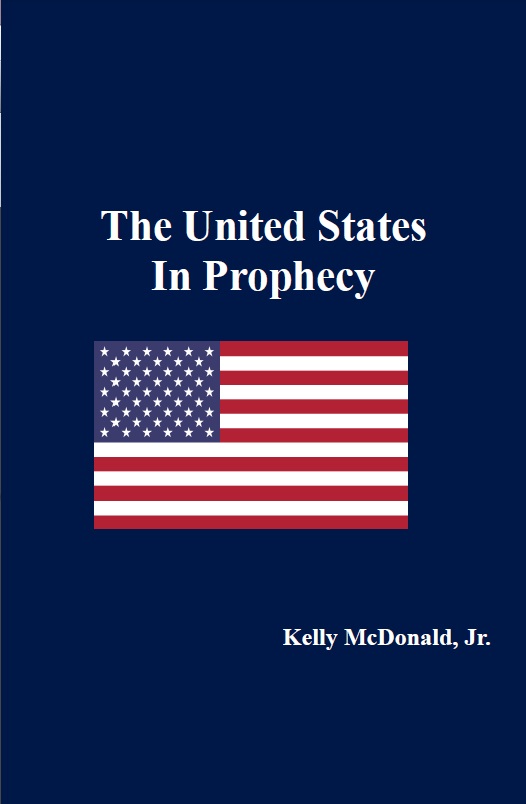
The United States in Prophecy

US Prophecy Pic

We have a new booklet on prophecy available. It is called “The United States in Prophecy”.

The United States has been the most influential country of the 20th and 21st Century. We have helped end two world wars, opposed communism, provided a safe world for eco-nomic success, and help spread the gospel more than any other country. God mentions small countries like Libya in prophecy. He also mentions larger ones like Russia. God has not overlooked the mightiest single nation that has ever existed on this planet. In this booklet, you will find the an-swer to the compelling question: Who is the United States in prophecy?

You can download it by clicking here.


Posted in Uncategorized | Tagged , | Leave a comment

Does God Care Who You Marry?

Marriage

Does God Care Who You Marry?

For the singles out there (including myself), it might be important to find out if God has a standard for who you marry. Does He really care? Let’s find out what the Bible says. I have some examples below:

  • We learn from the book of Genesis that Abraham and Isaac both had standards for the wives they wanted their sons to marry. Specifically, they wanted them to marry a virgin from their own people.
  • In Leviticus 21, God sets forth a standard for priests and high priests on who they should marry. They had to marry virgins from their own people – not widows or divorced from their husbands.
  • In I Kings 11, we learn that Solomon was led astray by marrying women who did not worship the one True God.
  • In Ezra 9 and 10, we see that the people of God were punished for marrying those who worshipped gods other than the one True God. This caused issues in their day.
  • In I Corinthians 7, Paul said not to be unequally yoked to believers.
  • Christ is coming back to marry a bride who is “without stain or wrinkle or any other blemish, but holy and blameless.” (Ephesians 5:27)

We can see from all these examples – from Genesis to the end of the Bible that God wants us to have standards for who we marry.

I know some people who think you can marry whoever you want to and God will just “work it out”. Well, I have seen the faith of people and even ministries destroyed over this kind of logic. Proverbs 14:12 says, “There is a way that appears to be right, but in the end it leads to death.” Some men or women think they can marry someone and then “convert” them. This is far from the truth and has no Bible to support it. If God has a standard throughout His Word, should we not adhere to that standard?

We should seek God with prayer, fasting, and counsel from like-minded believers and our church Leadership before we even consider someone as a candidate for marriage.

There is a verse in the Song of Solomon which says, “Daughters of Jerusalem, I charge you by the gazelles and by the does of the field: Do not arouse or awaken love until it so desires.” – (Song of Solomon 2:7). This verse is actually found Three times in the Song of Solomon.

What does this verse mean? We are not to arouse or awaken love until it is the right time. The charge for this is made by the gazelles and does of the field. These are fast animals. God is trying to tell us that the passions and desires that men and women have towards each other are very fast and can get out of control quickly.

We want to make sure we wait for the right one before we act because our passions and desires can take us places we may not should go.

Let’s wait for the right one. Let’s let God awaken the Love within us instead of awakening it ourselves. Marriage is a FOREVER commitment, and we should spend tremendous time preparing ourselves to be committed to that one person forever. Let’s not take it lightly, and let’s use God’s standards in who we marry.

Posted in Uncategorized | Leave a comment